On the morning of August 5, 2026, the Raymond Waterways Protective Association held its annual meeting at the Raymond-Casco Historical Society Museum on Route 302, and the agenda paired two topics that have nothing to do with each other until you're the one signing a purchase and sale agreement on a Raymond lake property. One was Turtle Cove. The Windham Eagle reported that volunteer diver and RWPA treasurer Pete Rowland said hand and suction removal had made progress in the main channel while other parts of the cove showed worsening milfoil growth. The other was camp roads, where Heather Huntt of the Cumberland County Soil and Water Conservation District walked residents through how to budget for maintenance and stop erosion before it reaches the water.
Two agenda items, same room, same morning. If you're selling or buying a lake home in Raymond this fall, that pairing is the whole story. Both are worth asking about before closing.
What the Law Actually Requires You to Say
Maine's property disclosure statute, Title 33, section 173, has a line item most out-of-state buyers don't expect: access to the property. If your home is reached by anything other than a public way, you're required to disclose who is responsible for maintaining it, including any road association, if you know one exists. That single clause carries more weight in Raymond than in almost any comparable Cumberland County market, because so many of the roads serving Sebago frontage, Panther Pond, Crescent Lake, and Thomas Pond are private. Both Raymond and Windham maintain dedicated resource pages on their town websites explaining how residents can form a road association, and both point people toward the Maine Alliance for Road Associations, a nonprofit founded in 1998 that exists specifically because handshake maintenance agreements on camp roads tend to fall apart the moment one neighbor stops paying.
Here's the part that catches buyers off guard: if there's no formal association and no signed agreement, state law still assigns responsibility. Under Title 23, section 3121, when a private road is the primary means of access to a residential property and there's no existing agreement, deed restriction, or association in place, each benefited owner shares the maintenance cost equally by default. That means the absence of a road association isn't a reason to skip the question. It's a reason to ask it more carefully, because you could be inheriting an even split on plowing and grading with neighbors you've never met.
Before you list, get this in writing: is there a road association, is it a statutory one with bylaws and dues, and what did the last assessment cost. Before you make an offer, ask the same three questions and don't accept "the seller always just handled it" as an answer. Clarify how that arrangement will work after the deed changes hands.
What Buyers Should Ask About
Milfoil is worth discussing directly with the buyer.
That concern is worth keeping in view for a Raymond buyer. Turtle Cove sits on Raymond's stretch of Sebago Lake, and the numbers from this season show why the association keeps treating it as unfinished business. As of late July, Raymond Waterways' Courtesy Boat Inspection program had checked 3,100 boats and covered 2,100 hours, with coverage across the town's four launches, Sebago on Route 302, Crescent Lake on Route 85, Panther Pond on Mill Street, and Thomas Pond on Route 302, climbing from 47 percent of scheduled hours last year to 97 percent this year. Inspection hours themselves rose from 97 a week in 2025 to 122 a week in 2026. That's not a program winding down. It's one still fighting to hold ground.
"Continuing use by anglers and other boaters adds to the regeneration of the weeds," Rowland told the meeting, according to The Windham Eagle, describing how repeated traffic through Turtle Cove undoes the season's removal work almost as fast as it happens.
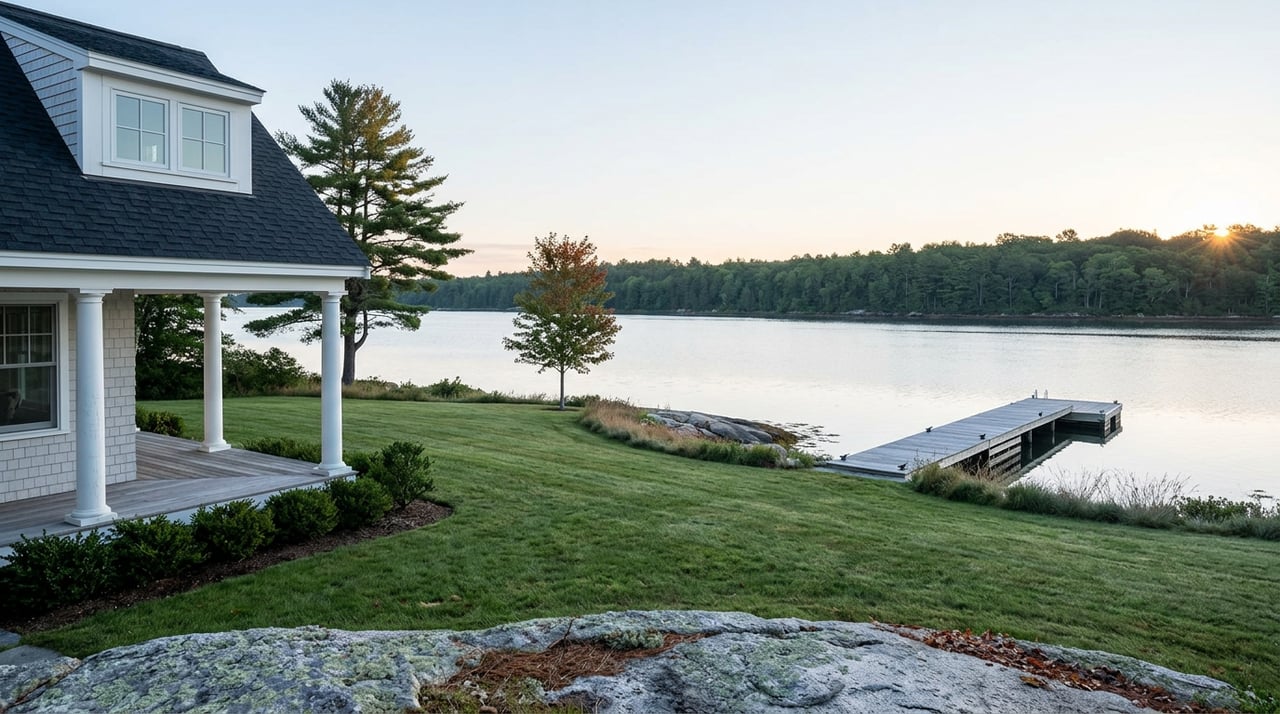
It's a fact about the water in front of the dock, and it belongs in the same conversation as square footage and lake frontage, because it shapes what a buyer can actually do there: swim off the beach, run a mooring, keep a boat lift clear. A buyer who never asks has skipped an important question.
Before You List: A Two-Column Reality Check
| Information to gather before listing | Questions worth asking directly |
|---|---|
| Water supply type, condition, and any past problems | Whether the cove or shoreline has an active invasive species presence |
| Septic system type, tank size, location, and service history | Whether any milfoil removal has been attempted and by whom |
| Road access type and known road association, if any | Whether the road association is statutory, informal, or nonexistent |
| Known hazardous materials, including asbestos and lead paint | What a recent road assessment or special repair cost the seller |
| Flood events, damage, or insurance claims during ownership | Whether dock and mooring permits transfer with the sale |
The Septic Question Gets Bigger This Close to Shore
Tank size, location, and service history are useful to have on hand. Properties within the shoreland zone, generally within 250 feet of a great pond like Sebago, Panther, Crescent, or Thomas, carry an additional layer of disclosure under Title 30-A, section 4216.
What This Means If You're Listing This Fall
Late September is a good window to do this work. Raymond Waterways closed out its 2026 Courtesy Boat Inspection season on Labor Day, so the association's numbers for the year are final and the shoreline is still easy to walk and assess before fall weather sets in. If you're preparing to sell a Raymond lake property, put together three things before your first showing: a written statement of the road association's status and recent costs, a plain answer on whether milfoil or other invasive growth has been an issue at your shoreline, and confirmation that your dock and mooring permits are current and in your name. All of it is what actually gets asked at the negotiating table, and sellers who answer it up front tend to keep their deals together instead of renegotiating after inspection.
A Few Questions Buyers Ask Directly
What should I ask about milfoil near the dock? Ask directly whether it has been an issue rather than assuming silence means clean water.
What if the road to the property doesn't have a formal association? Ask who has been paying for maintenance and how. Without an agreement or association in place, Maine law defaults to splitting reasonable and necessary repair costs equally among owners who rely on that road as their primary access.
Raymond's lake market rewards buyers and sellers who look past the house itself, at the water it sits on and the road that gets you there. If you're weighing a sale on Sebago, Panther Pond, Crescent Lake, or Thomas Pond this fall, Ashley Fearon and the team at A Team Realty can walk you through exactly what to document before you list and what to verify before you make an offer. Book your free seller strategy consultation and get the paperwork right before the season turns.
This article is general information, not legal, tax or financial advice. Consult a qualified professional about your situation.